
From Water Reservoir to Art Hall
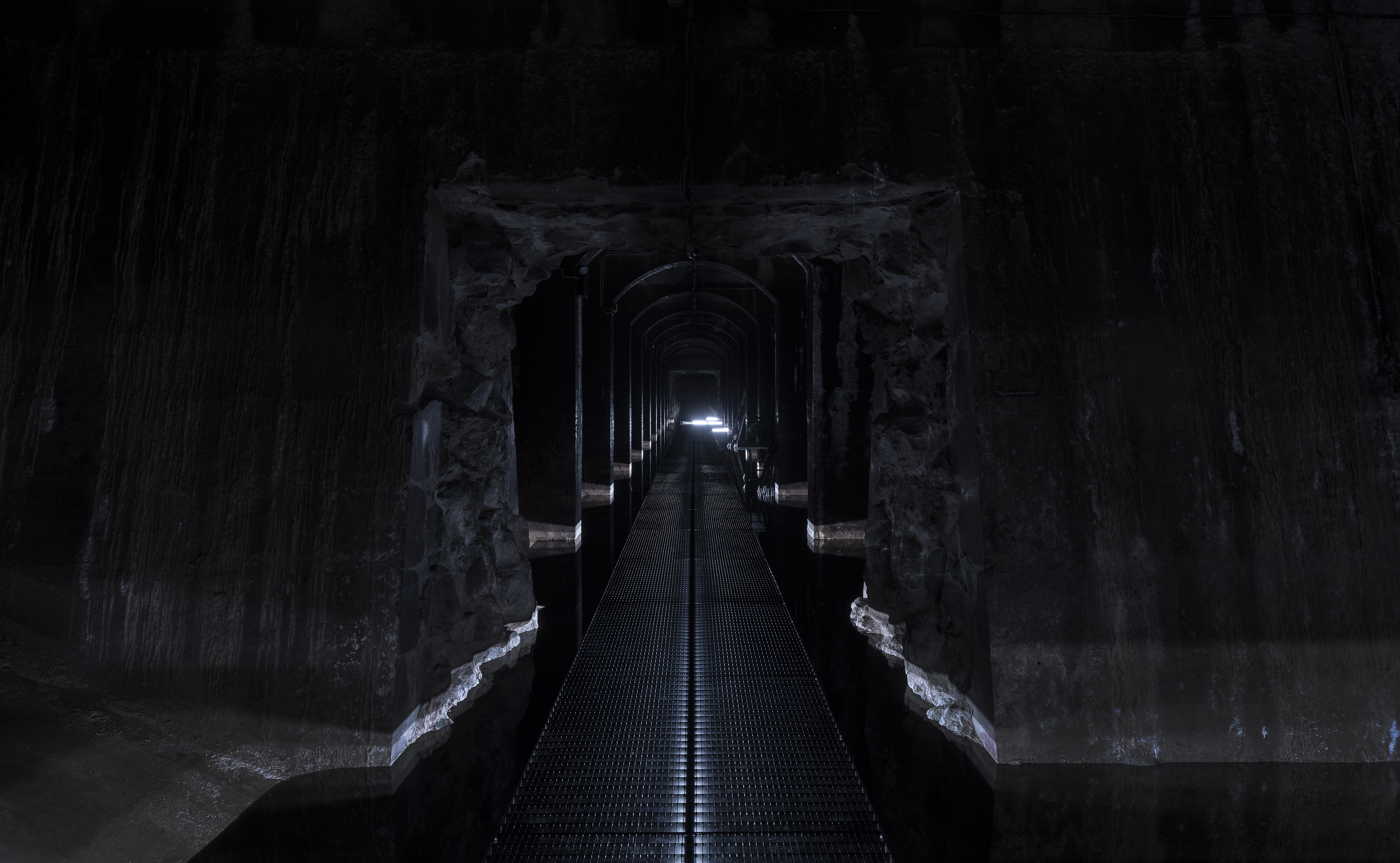

Cisternerne, built between 1856 and 1859, were originally constructed as a water reservoir designed to improve Copenhagen’s water supply and combat disease outbreaks such as the cholera epidemic. Located on Frederiksberg Hill, 31 meters above sea level, it supplied the city’s high-rise buildings with drinking water and contributed to Copenhagen’s development into a modern metropolis.
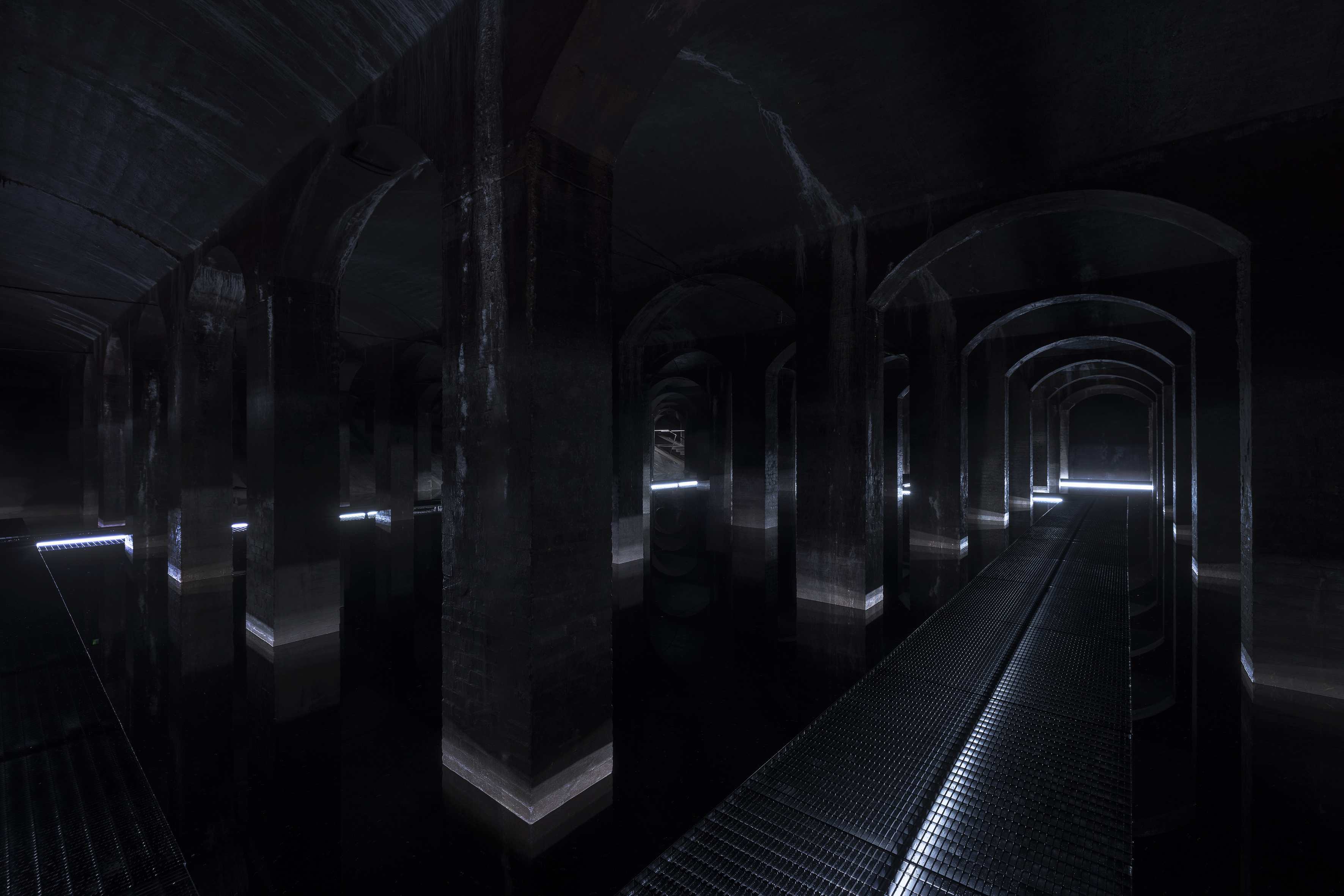
In 1891, the open basin was covered, creating the underground space that today forms Cisternerne. After being abandoned since 1933, Cisternerne were revived as part of Copenhagen’s year as European Capital of Culture in 1996. In 2001, the site opened as a museum of modern glass art, and since 2013 Frederiksberg Museums have operated it as the Cisterns Art Hall, renowned for its site-specific exhibitions.
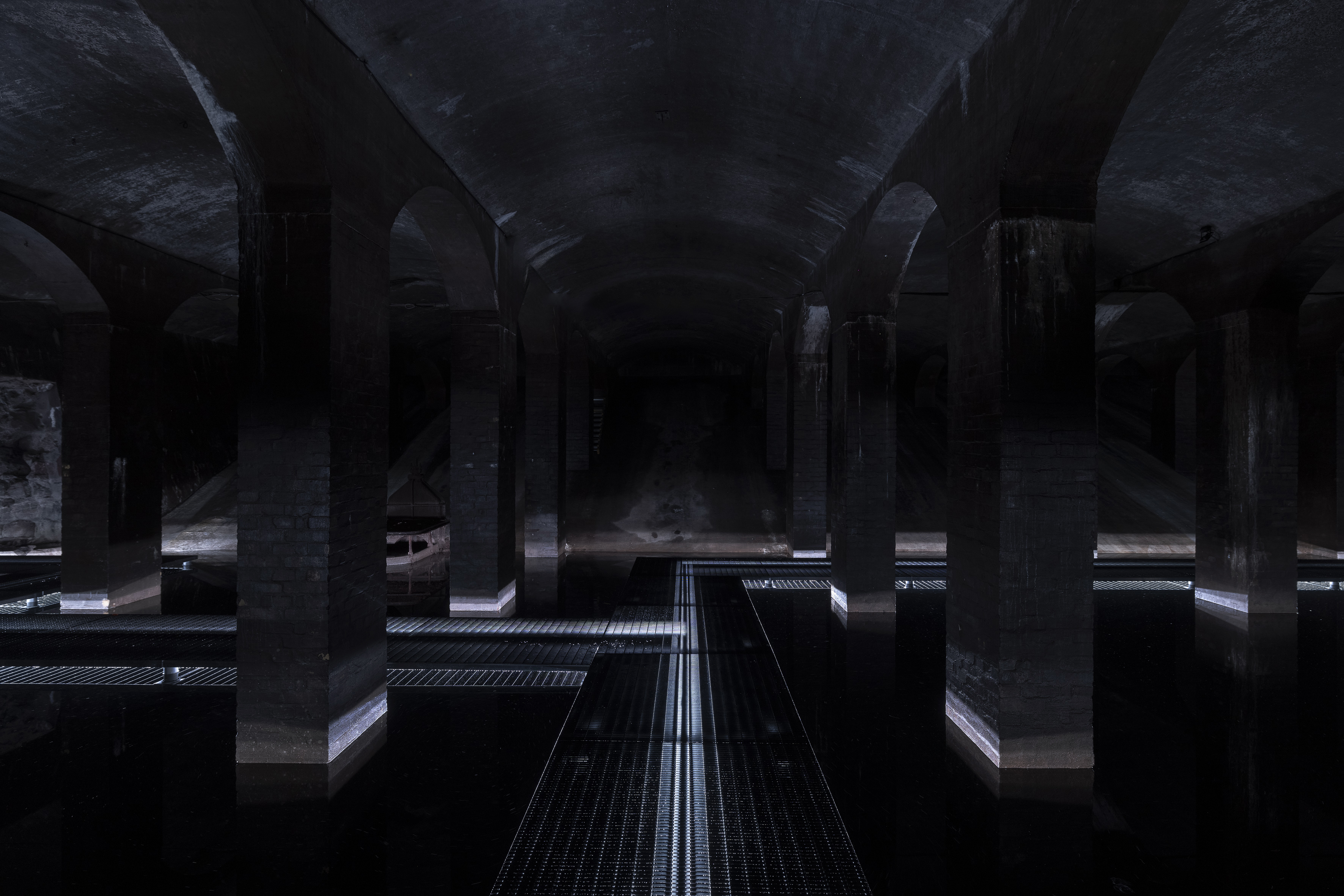
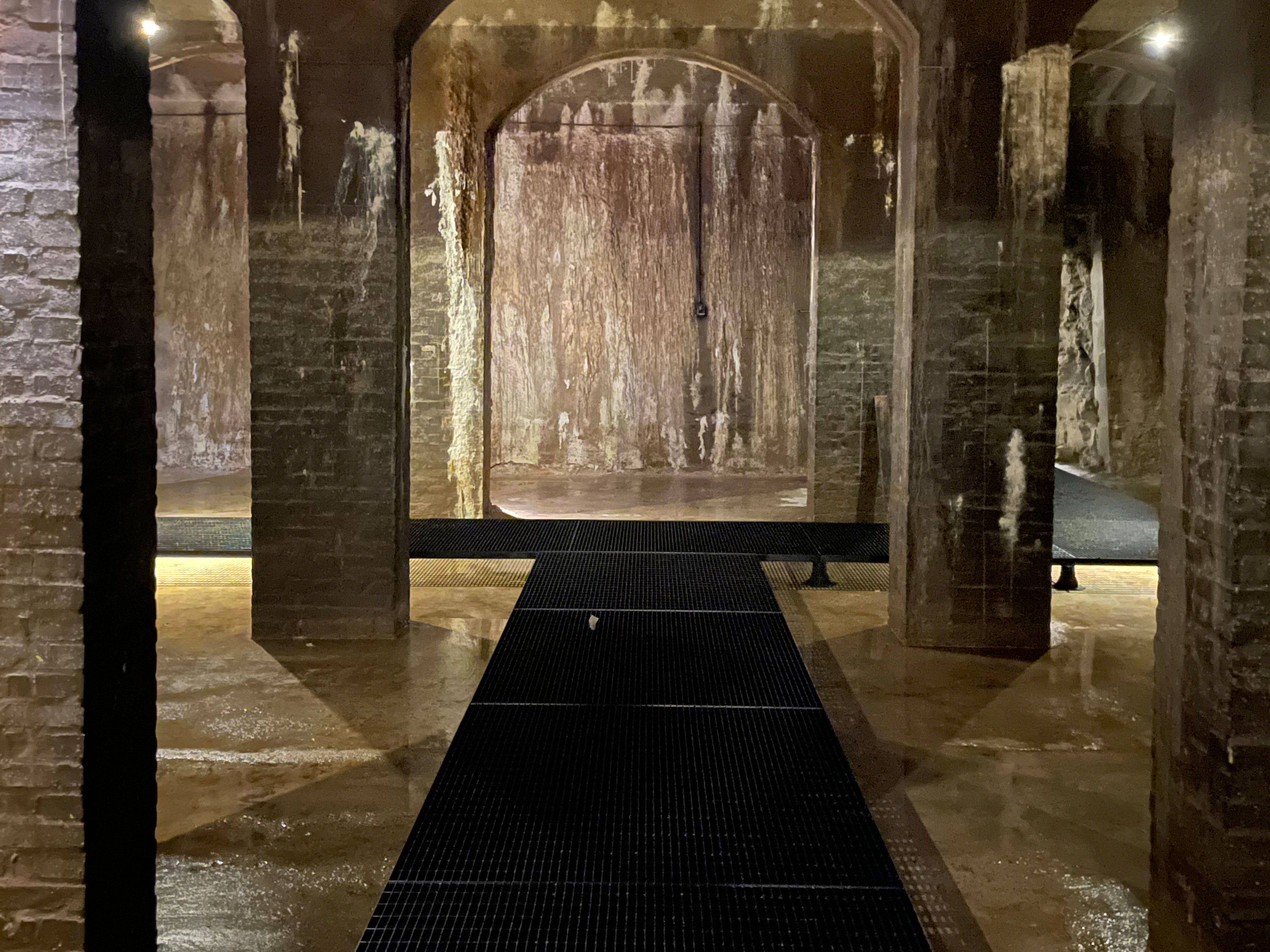
Cisternerne are Denmark’s only urban dripstone cave, shaped by a unique climate with a constant humidity of just below 100% and remarkable architecture. The fragile stalagmites and stalactites adorning the chambers have formed over decades, as lime-rich water from Søndermarken seeped through the concrete ceiling and precipitated as calcite. These formations illustrate how nature slowly reclaims man-made structures – a dialogue central to the exhibitions presented here.

Today, Cisternerne serve as an underground art hall, offering a unique pause from everyday life in an atmosphere without mobile signal, where time seems to stand still. The cold, damp climate, dim lighting, and distinctive architecture create a truly immersive art experience for both children and adults.
Each year, an internationally acclaimed artist or architect creates a site-specific exhibition that integrates Cisternernes unique character. In addition to exhibitions, a variety of events and activities for both children and adults are organized, making use of the space’s extraordinary atmosphere – also outside regular opening hours.
In 2024, Taryn Simon’s sound installation Start Again the Lament filled the Cisterns with an exploration of the anatomy of grief and our individual and collective ways of coping with it. The laments – from North Albanian, Wayuu, Greek, and Yazidi traditions – transformed the space into an instrument, where sounds, with up to 17 seconds of resonance, created a sensory experience of light, darkness, presence, and absence.
Around 70,000 visitors experienced the exhibition.
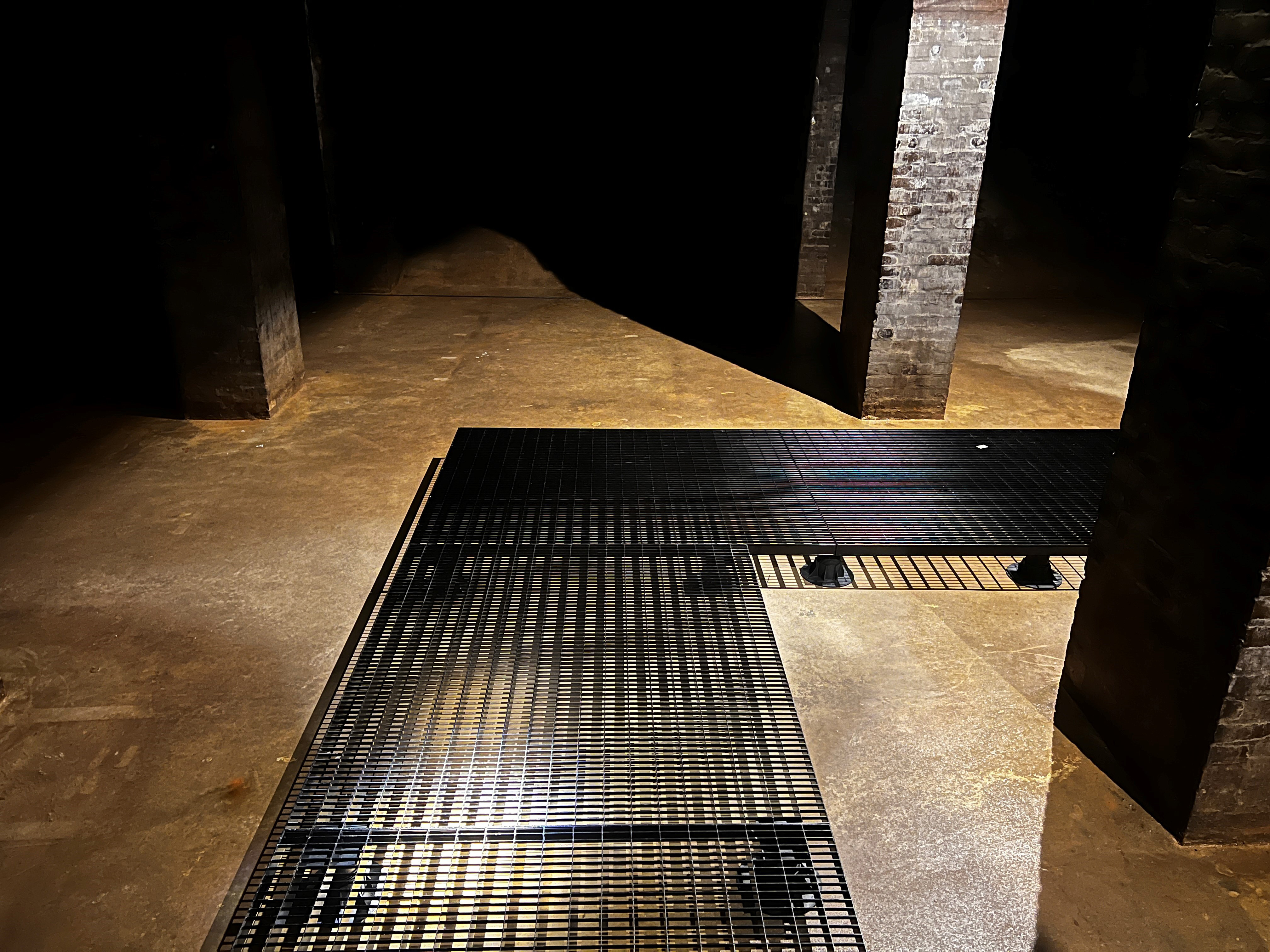
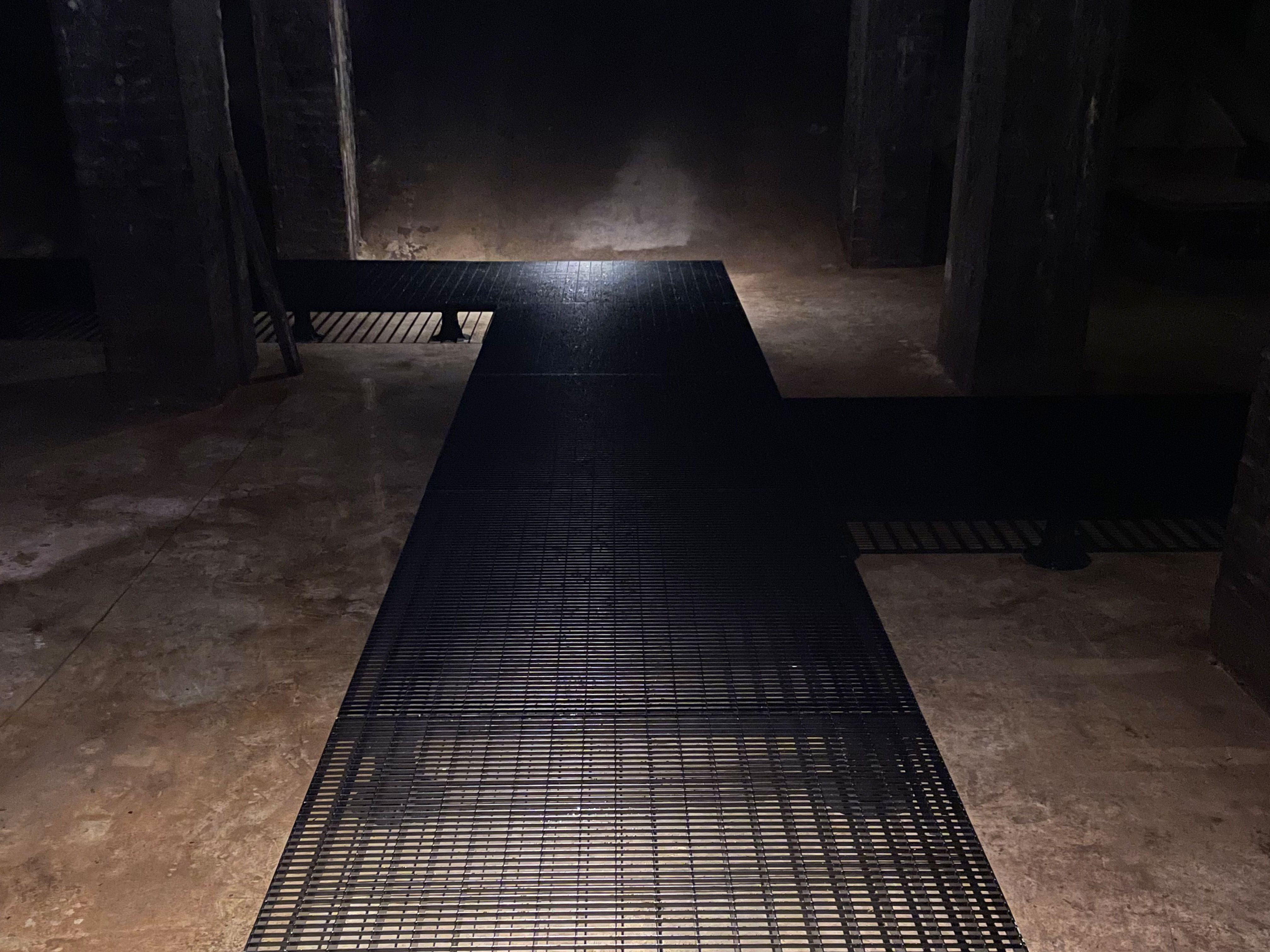
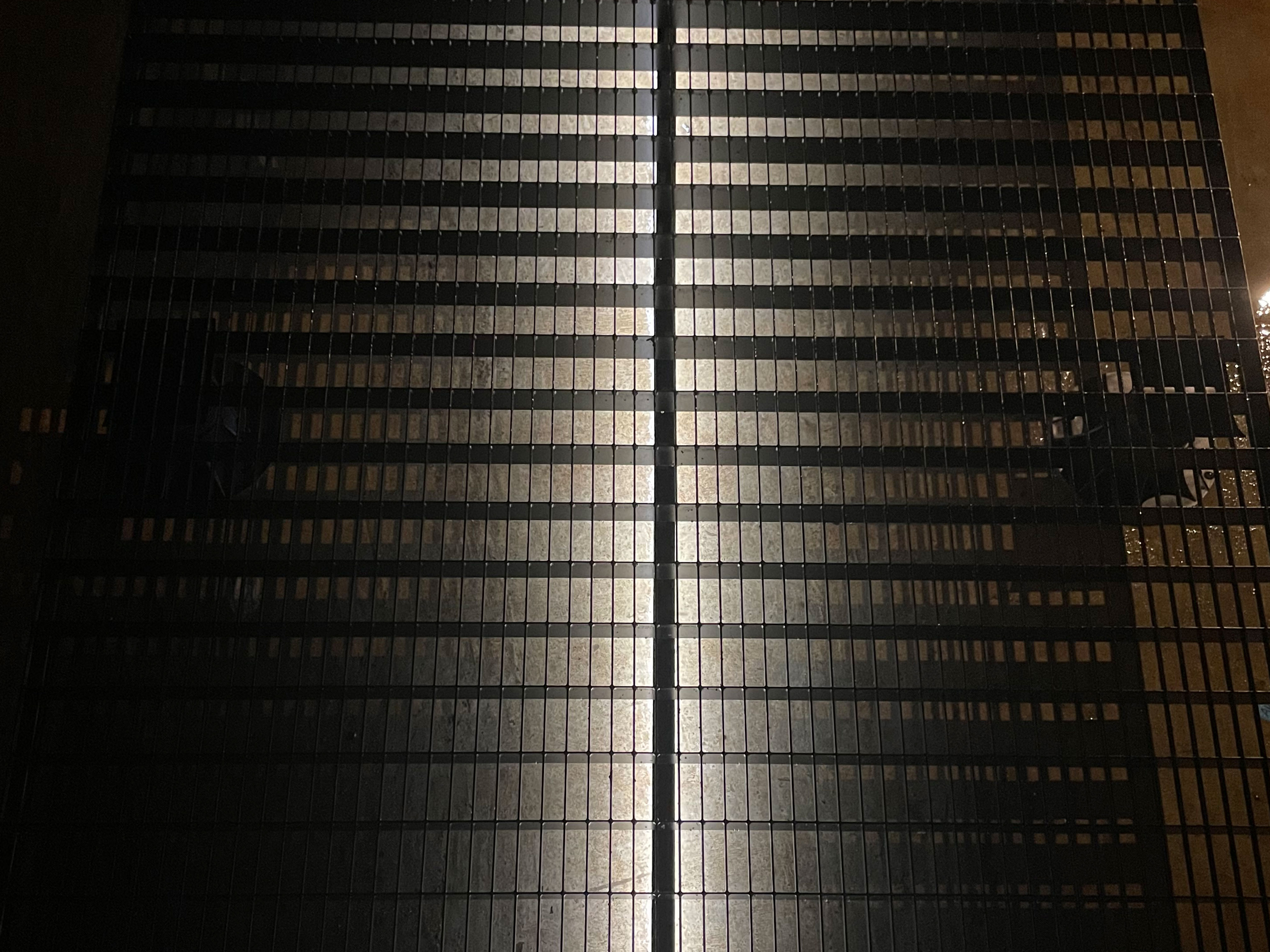
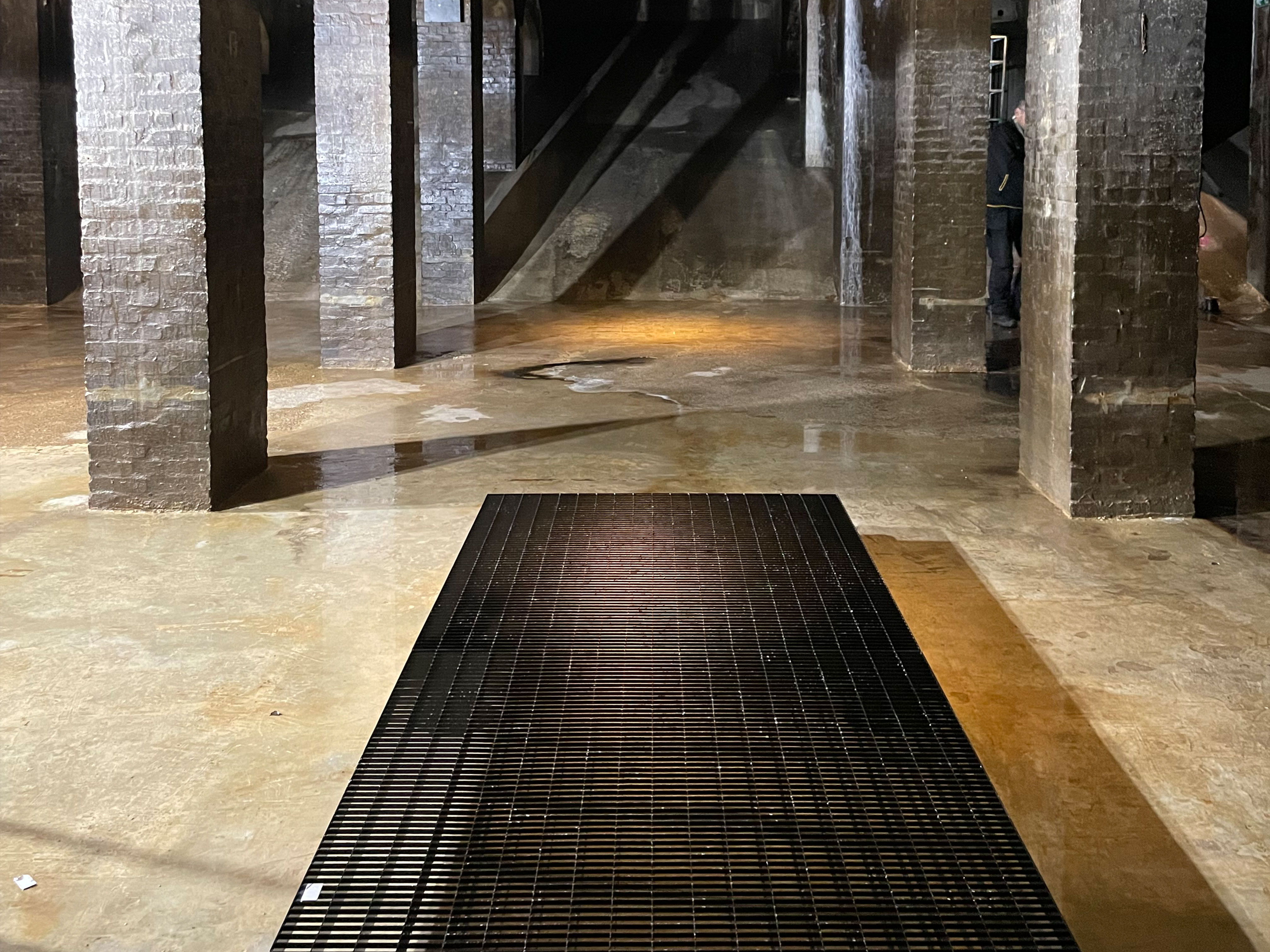
For this unique project, Flexi Riste A/S supplied powder-coated gratings used as walkways and Flexi Level to elevate the gratings above the water surface.
Foto and video: Torben Eskerod, Cisternerne and Flexi Riste